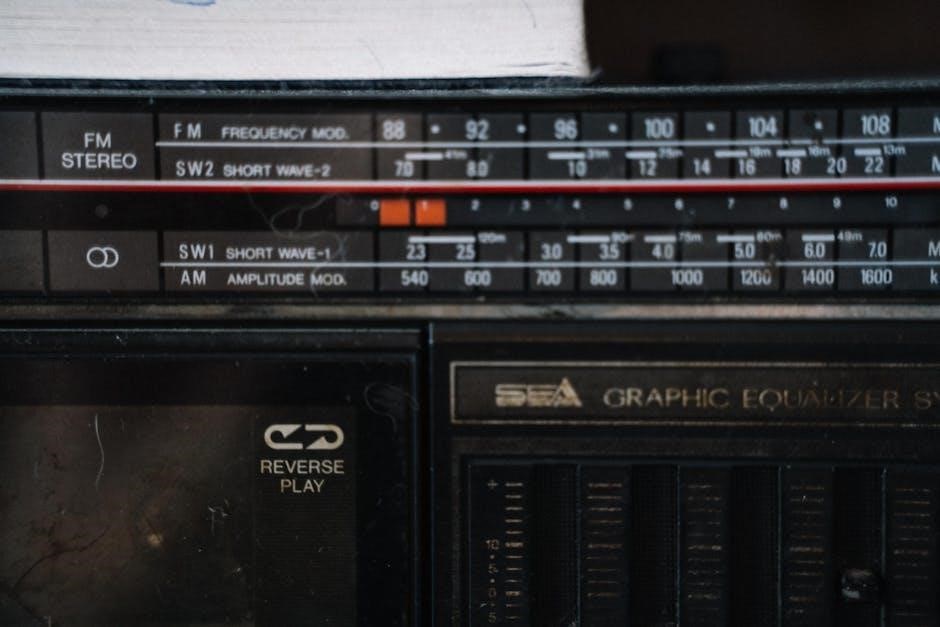
concert class radio manual
Concert Class Radio Manual: An Overview
This manual details capturing live performances, focusing on optimal audio quality and broadcast techniques for discerning listeners.
It covers everything from pre-event preparation to post-production refinement, ensuring a professional concert radio experience.
Understanding the nuances of radio frequency, equipment setup, and signal management are crucial for successful concert broadcasts.
This guide provides essential knowledge for both novice and experienced radio enthusiasts.
Furthermore, we’ll explore advanced techniques, troubleshooting common issues, and refining your broadcasts for a captivating audience experience.
Mastering these skills elevates your concert radio broadcasts to a new level of excellence.
Concert Class Radio represents a specialized field within audio broadcasting, demanding a unique skillset and meticulous attention to detail. It’s more than simply pointing a microphone at a stage; it’s about capturing the energy and atmosphere of a live performance and translating that experience for a remote audience.
This discipline requires a deep understanding of audio engineering principles, radio frequency (RF) propagation, and the practicalities of live event production. Successful concert broadcasts necessitate careful planning, precise execution, and the ability to adapt to unforeseen circumstances. The goal is to deliver a high-fidelity, immersive listening experience that rivals being present at the concert itself.
Unlike studio recordings, concert radio broadcasts are inherently dynamic and unpredictable. Ambient noise, crowd reactions, and potential interference all pose challenges. Therefore, a robust recording system, coupled with effective noise reduction techniques, is paramount. This manual will guide you through each step, from initial setup to final audio processing, empowering you to create exceptional concert radio broadcasts.
Ultimately, Concert Class Radio is about sharing the passion and excitement of live music with a wider audience, preserving these fleeting moments for posterity.
Understanding Radio Frequency (RF) Basics
Radio Frequency (RF) is the cornerstone of any wireless audio transmission, and a foundational understanding is vital for successful concert broadcasts. RF signals travel as electromagnetic waves, susceptible to interference and attenuation. Factors like distance, obstacles (buildings, people), and other electronic devices can significantly impact signal strength and clarity.
Different frequencies offer varying characteristics. Lower frequencies generally have better range but lower bandwidth, while higher frequencies offer greater bandwidth but shorter range. Choosing the appropriate frequency band is crucial, considering the concert venue and potential sources of interference. Licensing regulations also dictate permissible frequencies for broadcasting.
Signal propagation is affected by both line-of-sight and reflection. Understanding these principles helps optimize antenna placement for maximum coverage. Furthermore, concepts like multipath interference – where signals arrive at the receiver via multiple paths – can cause distortion. Minimizing multipath is essential for clean audio.
Effective RF management involves careful frequency coordination, antenna selection, and monitoring signal strength throughout the broadcast;
Preparing for a Concert Broadcast
Successful broadcasts demand meticulous preparation, encompassing ticket acquisition, detailed event information, and a comprehensive equipment checklist.
Planning ensures a smooth and high-quality concert radio experience.
Prior organization of your recording system, alongside understanding venue logistics, is paramount for capturing exceptional audio during the performance.
Ticket Acquisition and Event Details
Securing tickets is the foundational step; generally, you purchase a ticket for concerts, events, or movies, obtaining access to the venue – a cinema, hall, or stadium.
Remember the idiom “ticket to ride,” signifying entry or opportunity, applicable to various scenarios.
Beyond acquisition, gather comprehensive event details. Confirm the concert’s start time – often “sharp” at a designated hour, like 6 PM – and note any scheduled announcements, such as a 5:50 PM notification regarding fire exits.
Document venue policies regarding recording equipment, permitted entry points, and potential restrictions.
Detailed information regarding the artist’s setlist (if available) and expected performance duration aids in planning recording segments.
Knowing the concert’s structure allows for strategic placement of recording equipment and optimized audio capture throughout the entire event.
Thorough preparation minimizes unforeseen issues during the broadcast.
Pre-Concert Equipment Checklist
Prior to arrival, meticulously verify all recording equipment. This includes portable recorders, microphones (lavalier, shotgun, or handheld), headphones for monitoring, and necessary cabling – XLR, RCA, or TRS.
Ensure sufficient battery life or access to reliable power sources for extended recording durations.
Digital audio workstations (DAWs) and associated software should be updated to the latest versions, guaranteeing compatibility and optimal performance.
Confirm the functionality of any noise reduction or audio editing plugins intended for post-processing. Bring backup storage media – SD cards or external hard drives – to prevent data loss.
Finally, pack essential accessories: a sturdy tripod for microphone placement, gaffer tape for securing cables, and a portable power bank.
A comprehensive checklist, physically reviewed before departure, minimizes the risk of overlooking critical components, ensuring a smooth recording process.
Setting Up the Radio Recording System
Strategic microphone placement is paramount. Position microphones to capture a balanced sound, avoiding direct speaker proximity to prevent distortion. Utilize a stereo recording setup for a wider soundstage and enhanced spatial realism.
Carefully manage cable routing to minimize tripping hazards and potential signal interference.
Input levels must be calibrated correctly. Conduct a soundcheck, adjusting gain levels to achieve a strong signal without clipping. Monitor audio through headphones, listening for any unwanted noise or distortion.
Ensure the recording device is set to the appropriate sample rate and bit depth for high-fidelity audio capture.
Finally, implement a redundant recording system if feasible. A backup recorder provides a safety net in case of equipment failure. Regularly check recording levels throughout the concert to maintain consistent audio quality.
During the Concert Broadcast
Maintaining optimal reception and skillfully navigating interference are key to a seamless broadcast.
Consistent monitoring and swift adjustments ensure a high-quality listening experience for your audience.
Employ effective recording techniques, capturing the energy and atmosphere of the live performance.
Prioritize clear audio while minimizing unwanted background noise for a professional result.
Optimizing Radio Reception
Achieving pristine audio during a concert broadcast hinges on maximizing radio reception. Begin by strategically positioning your antenna, ideally elevated and with a clear line of sight to the stage. Experiment with antenna polarization – vertical or horizontal – to determine which yields the strongest signal.
Be mindful of potential obstructions like buildings, trees, and even audience members, which can attenuate the signal. Regularly scan the frequency spectrum to identify and avoid interference from other sources. Utilize a high-quality receiver with excellent sensitivity and selectivity.
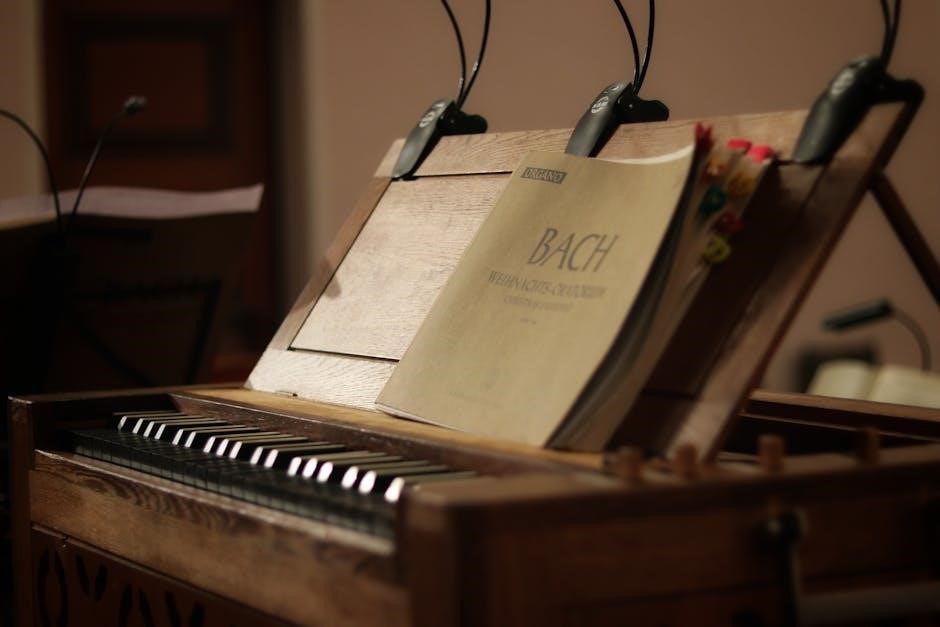
Consider employing a diversity receiver, which combines signals from multiple antennas to mitigate multipath fading. Fine-tune the receiver’s settings, such as squelch and RF gain, to optimize signal clarity. Continuously monitor the audio levels and adjust as needed to prevent clipping or distortion. A stable and strong signal is paramount for a captivating broadcast.
Dealing with Interference
Concert environments are notorious for radio frequency (RF) interference. Identifying the source is the first step – common culprits include mobile phones, walkie-talkies, and even lighting systems. Employ a spectrum analyzer to pinpoint interfering signals and their frequencies.
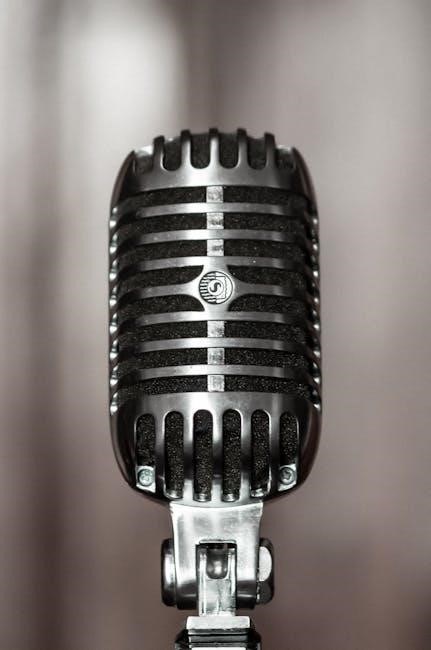
If possible, coordinate with event organizers to minimize interference from on-site equipment. Utilize shielded cables and connectors to reduce susceptibility to external signals. Experiment with antenna placement to minimize direct exposure to interference sources.
Noise-canceling techniques within your audio processing chain can help mitigate residual interference. Consider using a notch filter to selectively attenuate specific interfering frequencies. Be prepared to switch frequencies if necessary, ensuring compliance with local regulations. Proactive interference management is crucial for a clean broadcast.
Recording Techniques for Concert Radio
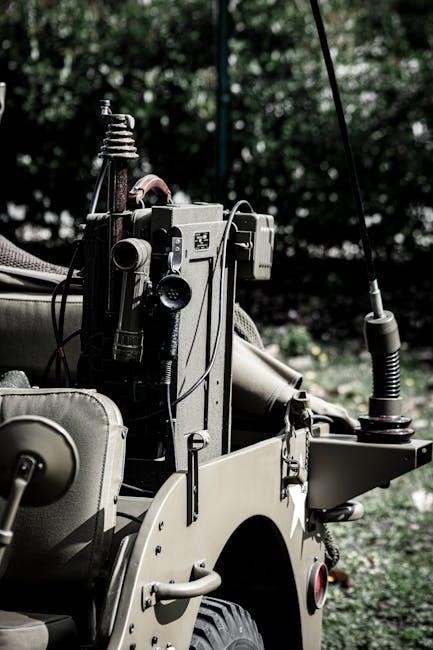
Optimal recording demands strategic microphone placement. Prioritize capturing a balanced soundscape, avoiding proximity effects and excessive reverberation. Utilize a stereo recording setup for a wider, more immersive listening experience. Experiment with different microphone polar patterns – cardioid for focused sound, omnidirectional for ambient capture.
Monitor audio levels meticulously, preventing clipping and distortion. Employ compression judiciously to manage dynamic range without sacrificing sonic detail. Record in a lossless format (WAV or FLAC) to preserve audio fidelity for post-production.
Consider recording a safety track – a backup recording at a lower level – to safeguard against unexpected peaks. Capture room tone for noise reduction purposes. Detailed, thoughtful recording practices are fundamental to a high-quality concert radio broadcast.
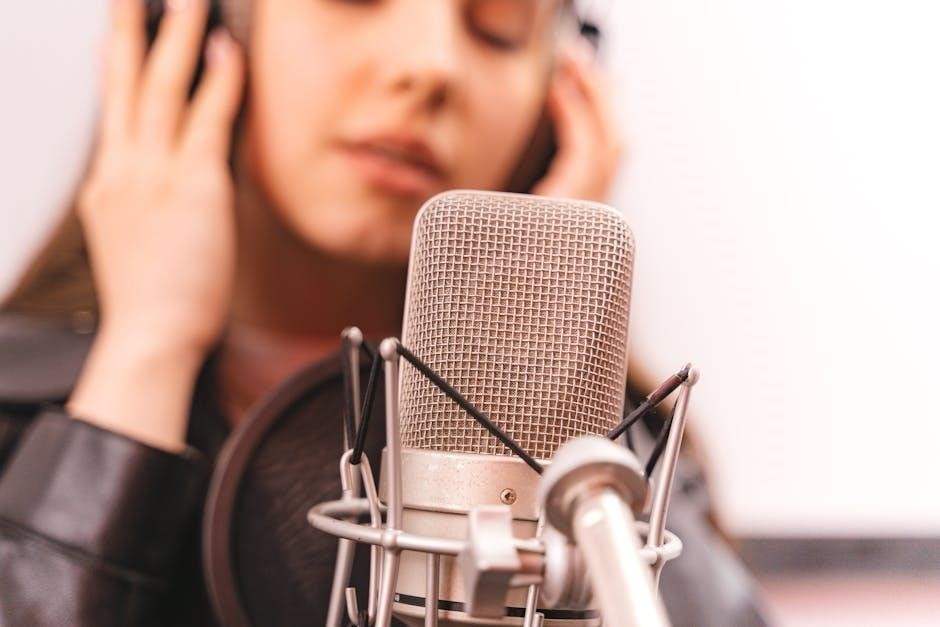
Post-Concert Processing & Analysis
Following the concert, meticulous audio editing and noise reduction are vital. Selecting appropriate file formats—MP3, WAV, or FLAC—impacts quality and size.
Proper metadata tagging ensures organization and easy identification of recordings, enhancing the overall listening experience for your audience.
Audio Editing and Noise Reduction
Post-concert audio invariably requires editing to remove unwanted elements and enhance clarity. This process begins with identifying and eliminating extraneous noises – crowd chatter, stage announcements, or technical glitches. Software like Audacity or Adobe Audition provides tools for precise cuts, fades, and adjustments.
Noise reduction is critical, particularly in live recordings. Utilize noise reduction plugins cautiously, as aggressive settings can introduce artifacts and diminish audio quality. A subtle approach, targeting specific frequencies, often yields the best results. Removing hums, hiss, and rumble improves the overall listening experience.
Equalization (EQ) allows you to sculpt the tonal balance, boosting desirable frequencies and attenuating problematic ones. Compression can even out dynamic range, making quieter passages more audible and preventing clipping during louder sections. Mastering these techniques transforms raw concert audio into a polished, professional broadcast.
Remember to save non-destructive edits whenever possible, preserving the original recording for future revisions. Regular listening checks throughout the editing process are essential to ensure a natural and engaging sound.
File Format Considerations (MP3, WAV, FLAC)
Choosing the right file format is crucial for balancing audio quality and file size. WAV files offer lossless, uncompressed audio, preserving every detail of the concert recording. However, they consume significant storage space. MP3, a lossy compressed format, reduces file size but sacrifices some audio fidelity – suitable for streaming or limited storage.
FLAC (Free Lossless Audio Codec) provides a compelling compromise. It’s lossless like WAV, but compresses the file size without discarding audio information. This makes it ideal for archiving and critical listening. Consider your intended use when selecting a format.
For broadcast, MP3 at a bitrate of 128-192kbps often strikes a balance between quality and bandwidth requirements. Archiving should prioritize WAV or FLAC to preserve the original recording’s integrity. Always label files clearly with format information for easy identification.
Metadata tagging (discussed later) is essential regardless of the chosen format, ensuring proper organization and playback on various devices.
Metadata Tagging and Organization
Proper metadata tagging is paramount for a manageable and searchable audio library. Essential tags include artist name, concert venue, date, song titles (if known), and genre. Adding a unique identifier, like a concert series number, aids organization. Consistent tagging across all files is vital for seamless library management.
Consider including notes about recording quality, any interference encountered, or specific performance highlights. This contextual information proves invaluable during post-production and future broadcasts. File naming conventions should complement metadata; for example, “Artist_Venue_Date_TrackName.wav”;
Organize your files into a logical folder structure – by artist, year, or concert series. Back up your meticulously tagged and organized library regularly to prevent data loss. A well-maintained archive ensures your concert recordings remain accessible and valuable for years to come.
Advanced Techniques
Mastering nuanced language—definite articles for specific concerts (“the show”), conditional statements (“unless delays occur”), and future tense for safety (“will announce”)—enhances broadcast professionalism.
Refining these skills elevates your concert radio broadcasts, creating a more polished and engaging experience for your dedicated listening audience.
Using the Definite Article (“the”) for Specific Concerts
Employing the definite article, “the,” might seem minor, but it significantly impacts clarity and professionalism in concert radio broadcasts. Generally, when referencing a particular, identified concert—one your audience is aware of—using “the” is crucial. For instance, instead of saying “We’re going to concert tomorrow,” you would state, “We’re going to the concert tomorrow.”
This specificity applies when discussing events already established in context or widely known. If you are reporting on a concert already advertised or discussed, “the” is appropriate. Conversely, when referring to concerts in a general sense—like “going to a concert”—the indefinite article “a” or no article is correct.
Consider this: “Were going to a playground tomorrow” versus “We’re going to the concert tonight.” The latter implies a specific, pre-defined event. If listeners are en route or discussing a particular performance, “the” is the standard and expected grammatical choice, enhancing the broadcast’s credibility.
Conditional Statements in Broadcast Announcements (“unless”)
Integrating conditional statements, particularly using “unless,” adds nuance and precision to concert radio broadcasts, especially during logistical announcements. “Unless” introduces a condition that, if unmet, alters the expected outcome. For example, “We’ll miss the concert if we don’t hurry, unless you’re willing to share the cost of a taxi.” This clearly outlines the consequence and a potential solution.
Effective use of “unless” prevents ambiguity and manages listener expectations. It’s vital to ensure the condition is clearly stated and easily understood. Avoid complex phrasing that could confuse the audience. A concise and direct approach is best.
Furthermore, consider scenarios involving unforeseen circumstances. “The show will continue rain or shine, unless severe weather necessitates a cancellation.” This provides reassurance while acknowledging potential disruptions. Mastering “unless” enhances your ability to deliver informative and proactive announcements during live broadcasts.
Future Tense in Safety Bulletins (“will”)
Employing the future tense, specifically using “will,” is paramount when delivering safety bulletins during a concert broadcast. This conveys information as a definitive future action, establishing a sense of authority and importance. For instance, “The concert will start at 6 PM. We will make an announcement at 5:50 PM informing attendees of all fire exits.”
This construction avoids ambiguity and emphasizes the certainty of the event. It’s crucial to avoid tentative language or qualifiers that could undermine the message’s urgency. Direct and declarative statements are most effective in safety-critical communications.
Moreover, consistently using “will” reinforces the proactive nature of event management. “Security personnel will be stationed throughout the venue, and we will address any concerns promptly.” This assures the audience of a safe and well-managed environment, enhancing their overall experience.

Troubleshooting Common Issues
Addressing phrasing like “How did you like the concert?” and discerning “upcoming” from “forthcoming” are vital skills.
Effective troubleshooting ensures smooth broadcasts and a professional listening experience.
Addressing “How did you like the concert?” phrasing
During live interviews or post-concert reactions, the phrasing of questions significantly impacts clarity and perceived professionalism. A common pitfall for non-native English speakers is asking “How you liked the concert?”. This construction sounds unnatural to most American English speakers.
The correct and idiomatic phrasing is consistently “How did you like the concert?”. This subtle difference in grammatical structure is crucial for establishing rapport with listeners and avoiding unintentional communication barriers. It immediately identifies the questioner as a native speaker.
Broadcasters should be mindful of this nuance, especially when conducting on-site interviews or soliciting feedback from concert attendees. Practicing this phrasing ensures a polished and professional broadcast quality, enhancing the overall listener experience. Avoiding awkward phrasing builds trust and credibility.
Remember, clear communication is paramount in concert radio broadcasting, and attention to detail in language use contributes significantly to a successful and engaging program.
Understanding “Upcoming” vs. “Forthcoming”
In concert radio broadcasting, precise language is vital for clarity and professionalism. The words “upcoming” and “forthcoming” are often used interchangeably, but they possess subtle distinctions that impact meaning. “Upcoming” has a singular, straightforward definition – happening soon.
However, “forthcoming” boasts three distinct meanings, only one of which aligns with “upcoming.” This complexity necessitates careful consideration when crafting broadcast announcements. Using “forthcoming” incorrectly can introduce ambiguity and confuse listeners.
Broadcasters should prioritize “upcoming” for its clarity when referring to future concerts. Reserve “forthcoming” for instances where its alternative meanings – advancing, or being revealed – are intentionally invoked. This nuanced approach demonstrates linguistic precision.
Mastering this distinction elevates broadcast quality and ensures accurate communication of event details, fostering trust with your audience.