grief group curriculum pdf
Designing a grief group curriculum PDF requires clarity, empathy, and structure․ It should outline objectives, session flow, and participant expectations while ensuring accessibility․ The document serves as a guide for facilitators and a resource for attendees․ It offer guided journaling prompts
1․1 Purpose
The purpose of this grief group curriculum PDF is to provide a structured, compassionate framework that supports individuals navigating the complex terrain of loss․ It serves as a practical tool for facilitators, offering evidence‑based activities and reflective prompts․ By outlining clear learning objectives and session timelines, the document ensures consistency and quality across facilitators, while empowering participants to engage in meaningful dialogue, share personal narratives, and develop coping strategies․ The curriculum fosters a safe, non‑judgmental environment where emotional expression is encouraged and validated․ It also integrates psychoeducational components that help participants understand the physiological, psychological, and social dimensions of grief, normalizing experiences and reducing isolation․ Additionally, the PDF includes a facilitator’s guide with facilitation tips, potential pitfalls, and strategies for managing group dynamics․ It is intended to be a living resource that can be updated as new research emerges or as the needs of the group evolve․ Ultimately, the curriculum aims to promote healing, resilience, and a sense of community among those who have suffered loss․
In addition, the curriculum incorporates reflective exercises such as journaling prompts, art therapy suggestions, and meditation scripts that participants can use between sessions․ It also provides recommended readings, online support groups, and local bereavement resources․ By offering these supplementary materials, the PDF equips participants with tools to continue their healing journey beyond the structured sessions, ensuring sustained support and personal growth․ The curriculum also encourages participants to set personal goals and track progress, fostering a sense of agency and empowerment throughout the grieving process and hope․!
1․2 Scope
This curriculum PDF defines the scope of a grief group program for adults group․!
It is intended for adults who have experienced loss, regardless of the type group․
The curriculum is structured into twelve 90‑minute sessions over twelve weeks for all․ OK
Participants share stories, listen empathetically, and practice coping skills daily․
Facilitator guides discussions, ensures confidentiality, and monitors safety now․!
Materials include worksheets, reflective prompts, and a shared resource list․!
Participants receive a PDF booklet summarizing key concepts and coping strategies daily․!!
Evaluation uses pre‑ and post‑session surveys, attendance logs, and feedback now․!
The curriculum promotes resilience, hope, and belonging among participants․!!!
Participants are encouraged to set goals, track progress, and celebrate milestones;
The facilitator records observations, challenges, and tailors future sessions․!!
Participants receive a summary report, action plan, and completion․!!!
The program concludes with a closing ceremony, reflections, and commitment now․!
The facilitator ensures all participants leave with a sense of closure and hope․!!
Participants may leave with an action plan, coping tools, and a support network․!
The curriculum PDF includes FAQs and a list of additional resources for all now․!
The facilitator can adapt the PDF to include audio, video, or elements as needed․
The facilitator can use the PDF as a guide, ensuring consistency across sessions․
Understanding Grief
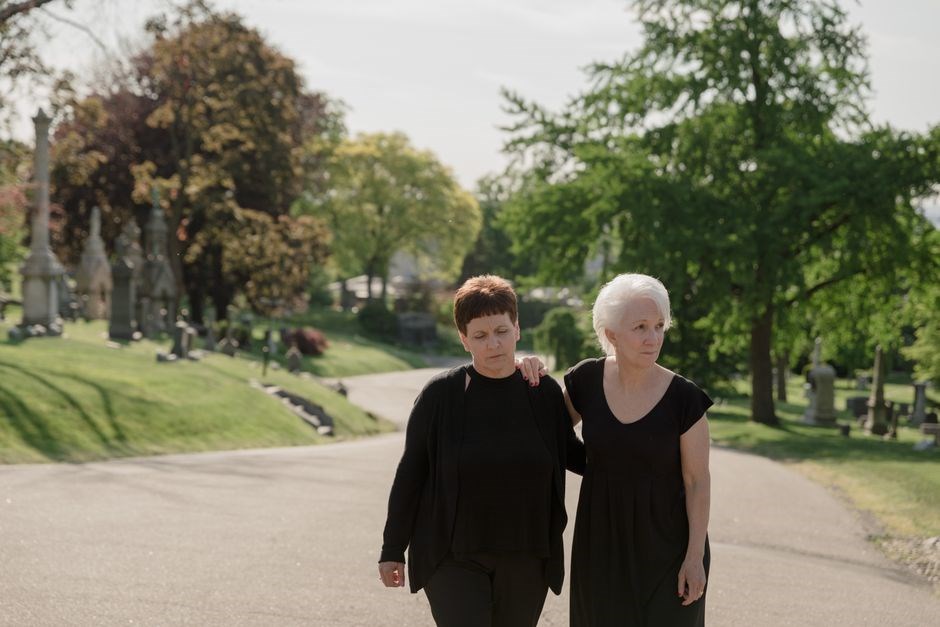
Grief is a complex, personal response to loss, marked by emotional, cognitive, and behavioral shifts․ In a curriculum PDF, it frames session themes, guiding facilitators to address feelings, normalize reactions, and foster resilience․ Participants share coping strategies․
2․1 The Stages of Grief

In a grief group curriculum PDF, the classic five‑stage model—denial, anger, bargaining, depression, and acceptance—provides a clear framework for discussion․ Each stage is illustrated with concrete examples: denial as a protective pause, anger as a release of frustration, bargaining as attempts to negotiate meaning, depression as deepening sorrow, and acceptance as integration of loss․ Facilitators can use these stages to validate feelings, identify misinterpretations, and guide participants toward constructive coping․ The curriculum includes reflective prompts that invite members to map their personal journey onto the stages, encouraging self‑awareness while acknowledging that grief is non‑linear․ Activities such as timeline creation, role‑playing scenarios, or guided imagery illustrate how individuals oscillate between stages, sometimes revisiting earlier phases before moving forward․ By framing grief in this structured yet flexible way, the curriculum empowers participants to recognize that their experience is normal, reduces isolation, and supports gradual healing within the group setting․ Additionally, the curriculum integrates brief case studies illustrating varied grief trajectories and provides a glossary of terms for clarity․ It recommends periodic check‑ins to monitor emotional shifts, allowing facilitators to adjust pacing and introduce coping tools such as grounding exercises or expressive writing․ This holistic approach ensures the curriculum remains responsive to each member’s evolving emotional landscape․
2․2 Common Reactions
Grief manifests in diverse ways, and a curriculum PDF should highlight typical emotional, cognitive, and behavioral responses․ Common reactions include intrusive memories, sleep disturbances, appetite changes, irritability, numbness, guilt, and a sense of isolation․ Participants often report a fluctuating sense of time, with moments of intense sadness interspersed with sudden relief․ Cognitive shifts such as difficulty concentrating, intrusive “what‑ifs,” and a pervasive sense of meaninglessness are also frequent․ Physical symptoms—fatigue, headaches, and heart palpitations—can accompany emotional distress․ Socially, people may withdraw, over‑share, or seek reassurance․ The curriculum can use case vignettes to illustrate these patterns, encouraging group members to identify parallels in their own experience․ Structured reflection prompts help participants articulate their reactions, fostering self‑awareness and reducing self‑blame․ By acknowledging the breadth of common reactions, facilitators can normalize the experience, create a safe space for expression, and tailor coping strategies to individual needs․
Participants are encouraged to practice self‑compassion, acknowledging grief as a personal journey, not a competition․ The curriculum offers gentle exercises—mindful breathing, gratitude journaling, art therapy prompts—to help members process emotions in supportive settings․ By using these tools, the group builds resilience, reduces isolation, and promotes healing․

Role of Grief Groups
Grief groups provide a shared space where participants can express emotions, exchange coping strategies, and feel validated․ Facilitators guide discussions, maintain safety, and encourage mutual support, fostering resilience and reducing isolation through collective healing․ (24) (24) (24) (24)
Grief groups provide a shared space where participants can express emotions, exchange coping strategies, and feel validated․ Facilitators guide discussions, maintain safety, and encourage mutual support, fostering resilience and reducing isolation through collective healing․
3․2 Facilitator’s Role
Facilitators serve as the backbone of a grief group curriculum PDF, bridging theory and practice with compassionate guidance․ Their responsibilities encompass creating a safe, non‑judgmental environment where participants feel heard and respected․ They set clear boundaries, outline session objectives, and model active listening, ensuring that each voice is validated․ By employing evidence‑based techniques—such as reflective questioning, grounding exercises, and structured sharing—facilitators help members process emotions, identify personal coping mechanisms, and build resilience․ They also monitor group dynamics, intervene when conflict or distress escalates, and maintain confidentiality to foster trust․ Additionally, facilitators coordinate resources, refer participants to professional services when needed, and track progress through reflective journals or progress notes․ Their role extends beyond the session floor: they curate supplementary materials, update curriculum PDFs, and provide ongoing support via follow‑up communications․ Ultimately, a skilled facilitator transforms a grief group into a therapeutic community where healing is shared, validated, and sustained․ By integrating these tools, the curriculum empowers participants to transform grief into growth, fostering community that nurtures healing years!!

Curriculum Design Principles
Designing a grief group curriculum PDF hinges on empathy, structure․ Core principles include cultural sensitivity, evidence‑based practices, participant‑centered pacing, iterative feedback loops․ Facilitators guide participants toward inclusive learning
4․1 Cultural Sensitivity
Creating a grief group curriculum PDF that respects cultural diversity requires intentional design․ Begin by researching the cultural norms of the target population, including rituals, language preferences, and expressions of mourning․ Incorporate multilingual materials when possible, and offer translation services during sessions․ Acknowledge that grief manifests differently across cultures; some may emphasize communal support, while others prioritize individual reflection․ Use inclusive language that avoids assumptions about gender roles or family structures․ Provide options for participants to share stories in formats that align with their cultural practices—oral storytelling, written narratives, or artistic expression․ Train facilitators in cultural humility, encouraging them to listen actively and ask respectful questions․ Include culturally relevant coping strategies, such as faith‑based practices, traditional music, or symbolic ceremonies․ Ensure that the curriculum’s visual elements—color schemes, imagery, and layout are sensitive to cultural symbolism and avoid triggering imagery․ Finally, establish a feedback loop that invites participants to suggest adjustments, ensuring the curriculum evolves to meet their evolving needs․ Additionally, consider the impact of socioeconomic factors on grief expression and access to resources․ Offer flexible scheduling and virtual options for those who cannot attend in person․ Provide a glossary of culturally specific terms to aid understanding․ Encourage participants to bring personal artifacts that hold meaning, allowing the group to honor diverse mourning rituals․ Finally, document lessons learned and best practices for future iterations, ensuring the curriculum remains dynamic and responsive and empowerment for participants․
4․2 Evidence‑Based Practices
Evidence‑based practices anchor a grief group curriculum PDF in research that demonstrates effectiveness․ Core components include cognitive‑behavioral techniques, meaning‑making exercises, and structured psychoeducation․ Each session should begin with a brief review of empirical findings that support the chosen intervention, followed by a skill‑building activity․ For instance, using the Dual Process Model, facilitators can help participants oscillate between loss and restoration, a strategy shown to reduce depressive symptoms․ Incorporating mindfulness‑based stress reduction (MBSR) has been linked to lower anxiety and improved emotional regulation․ Structured journaling prompts grounded in Acceptance and Commitment Therapy (ACT) encourage values‑driven action, fostering resilience․ Additionally, the curriculum should integrate validated assessment tools—such as the Prolonged Grief Disorder Screener—to monitor progress and tailor interventions․ Peer‑support elements should be guided by Social Support Theory, ensuring that shared narratives enhance perceived support and decrease isolation․ Each activity must be accompanied by a brief rationale citing peer‑reviewed literature, and facilitators should receive training in evidence‑based facilitation techniques․ Finally, the curriculum should include a feedback loop, collecting data on outcomes to refine future iterations, thereby maintaining fidelity to best practices and ensuring continuous improvement․ Evidence‑based strategies are peer‑reviewed and

Sample Curriculum Outline
Session 1 introduces goals and establishes trust․ Session 2 explores personal narratives fostering connection․ Session 3 offers coping skills mindfulness․ Session 4 focuses on future planning and meaning․ Each session includes reflective exercises group discussion and resources and aid and!․ Thanks!?
3․1 Benefits for Participants

5․1 Session 1: Orientation
5․2 Session 2: Sharing Stories

Resources & Materials
During Session 2, the facilitator invites each participant to share a personal narrative about their loss, encouraging authenticity and vulnerability․ The group listens attentively, practicing reflective listening techniques such as paraphrasing key emotions and summarizing shared experiences․ Participants may use prompts like “Describe a memory that feels alive” or “What has grief taught you?” to guide their storytelling․ Sharing fosters connection, normalizes grief reactions, and allows members to see common themes such as gratitude, resilience, or lingering questions․ After each story, the facilitator guides a brief grounding exercise—a short breathing or mindfulness pause—to help participants process the emotional impact․ The session concludes with a collective affirmation or mantra that reinforces the sense of community and shared purpose․ Materials include a shared whiteboard for visual mapping of themes and a handout summarizing coping strategies․ Participants are encouraged to reflect on what they learned today and to set a personal intention for the coming week, such as practicing gratitude, reaching out to a friend, or simply taking a mindful pause․ The group shares these intentions, creating a supportive accountability network․ The facilitator reminds everyone that grief is a journey, not a destination, and encourages ongoing reflection through journaling or creative expression․ The session ends with a collective affirmation of hope, resilience, and communal care․ xxxxxxxxxxxxxxxxxxxxxx
In a comprehensive grief group curriculum PDF, the resources section serves as a toolkit for facilitators and participants alike․ It lists evidence‑based handouts, worksheets, and reflective prompts that align with each session’s objectives․ A curated bibliography of scholarly articles, books, and online videos offers depth for those who wish to explore grief theories, cultural nuances, and therapeutic modalities․ Audio‑visual aids—such as guided meditation recordings, short documentary clips, and testimonial videos—enhance engagement and provide varied learning modalities․ Visual materials include infographics illustrating the stages of grief, coping strategies, and self‑care checklists․ Printable templates for journaling, gratitude lists, and personal action plans empower participants to translate insights into practice․ A digital resource, such as a dedicated website or shared drive, host downloadable PDFs, audio files, and interactive quizzes․ A glossary of key terms ensures clarity and reduces jargon barriers․ The section also recommends reputable online support groups, helplines, and crisis intervention contacts for immediate assistance․ Finally, a feedback form template encourages facilitators to gather participant input, ensuring continuous improvement of the curriculum․ All materials are organized in a clear, user‑friendly layout, with hyperlinks for quick access and a version history log for updates․
Facilitators should also consider incorporating sensory tools such as aromatherapy oils, soft fabrics, or gentle music to create a calming environment․ Participants can be guided to use these tools during reflective moments, fostering a holistic healing experience․ Additionally, a curated list of community resources—local counseling centers, faith‑based support, and peer‑mentoring programs—provides practical pathways for ongoing care․ The curriculum includes a section on digital literacy, ensuring that participants can safely navigate online support forums and tele‑therapy platforms․ By offering a blend of tangible, digital, and experiential resources, the program equips groups to address diverse needs and preferences, ultimately strengthening the collective resilience of all members and hope!??․